South African retailers face a difficult decision with PayShap moving into retail, QR+ taking shape, and existing payment infrastructure still needing to earn its keep. Here's how to plan your next move without creating another costly integration project.
‘What’s our plan for QR+?’ A reasonable question for any Head of Payments, and not an easy one to answer while the standard is still taking shape. Our view? Start with a transition plan that builds on what you already have, rather than another standalone payment project.
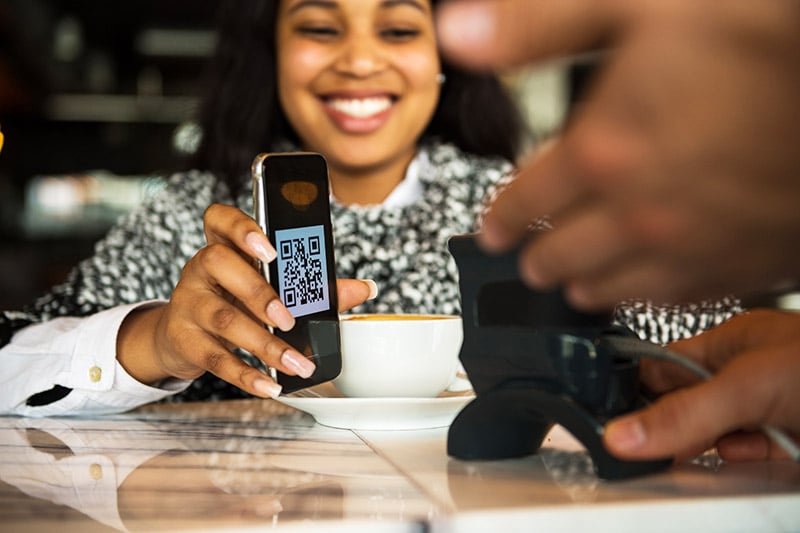
Many retailers have already invested in card and wallet QR payments, but the landscape is shifting. As PayShap gains ground in retail, Request-to-Pay is opening up another way to accept account-based payments, while QR+ introduces a new standard to accommodate.
Build PayShap into today’s QR configuration, and you may have to revisit the work. Wait for QR+ to mature, and there’s no confirmed retailer mandate to plan against.
Meanwhile, your stores are trading, development teams have other priorities, and every point-of-sale (POS) change comes with testing and rollout requirements.
The industry is moving, but deciding where to invest next is far from straightforward.
First, understand what QR+ adds
The South African Reserve Bank (SARB) introduced QR+ through its Payments Ecosystem Modernisation (PEM) programme to support more interoperable digital payments.
Four terms are worth separating:
- Today’s QR: Card and wallet scan-to-pay options already accepted at many tills. They don’t automatically support PayShap.
- PayShap: The real-time rail that moves money between bank accounts.
- Request-to-Pay: A request from a retailer for payment, approved by the customer through their banking app.
- QR+: A common standard for initiating payments using QR codes, barcodes, or digital links, including PayShap payments through participating banking apps.
QR+ initiates a payment. The underlying rail moves the money.
The SARB published QR+ Standard 1.2 in July 2026, with a pilot planned for the first quarter of 2027, and no broader retailer mandate has been announced. Early implementations focus on bank-account payments, while card and wallet QR must remain available as the new standard develops.
There won’t be a neat handover from one standard to another.
We understand why another POS change is a big ask
If you're managing payments across hundreds of stores, you know that a POS change involves, development, regression testing, coordination with payment providers, and carefully managed rollouts. All while keeping your stores trading.
QR+ adds another layer of complexity, particularly when existing card and wallet QR payments must continue alongside it, and PayShap introduces different requirements. Completed payments are irrevocable, and refunds require a separate credit payment, while confirmations and timeouts need careful handling.
At Electrum, our approach is deliberate - protect existing POS integrations, maintain current payment options, and manage payment-specific changes within our software wherever practical.
Give the transition a plan of its own
If your business accepts QR today, those options need to remain available as QR+ adoption develops. Your approach to QR+ readiness should account for both standards, including which stores or lanes move first.
Next, establish which changes genuinely belong in your POS. A specialist payments partner, like Electrum, can accommodate new methods and scheme requirements within its own software, limiting the changes your teams need to make. That still requires engineering and testing, but responsibility for the work is clearer.
If you don't yet accept QR, consider a common integration approach before commissioning separate QR and Request-to-Pay projects.
A useful precedent from one of South Africa’s largest retailers
In 2022, Pick-n-Pay introduced cryptocurrency payments across approximately 1,500 stores, working with Electrum and MoneyBadger.
Shoppers used the familiar contactless QR option at checkout, scanning with the CryptoQR app. Another payment method was added through the processing arrangements behind that existing option. The relevance to QR+ isn’t cryptocurrency. It’s what becomes possible when the checkout experience and the systems processing the payment are treated as separate concerns.
What should you expect from your QR+ payments partner?
A credible QR+ proposal should explain what introducing the standard means for the payment systems you already run, not simply how the new capability works.
Four important questions to ask your partner:
- Existing integrations: Can QR+ be introduced through my current POS integration without unnecessary development?
- Payment continuity: Will existing card and wallet QR payments continue working alongside QR+?
- Managing change: When scheme requirements evolve, who handles the updates and associated testing?
- Operational responsibility: Who manages payment processing, timeouts, refunds, and reversals?
The answers should clarify what your teams need to do, what your partner will manage, and where additional costs may arise. Be wary of a proposal that explains the new payment method in detail but says little about the systems you already run.
Make the next investment count
QR+ presents an opportunity to broaden payment acceptance in South African retail. But the commercial decision goes beyond adopting a new standard. It means considering how that investment will hold up as payment methods continue to evolve.
Electrum's Merchant Payments Platform software already supports QR code payments in major retail environments, and we understand what it takes to introduce new payment capabilities at scale. Our experience brings an important consideration into focus: your QR+ transition needs to account for the changes coming after it, too.
Before signing off on another integration, ask a harder question: who will carry the cost of the next change?
Planning your QR+ transition?
Speak to your Electrum representative about your existing payments environment and how to prepare for QR+.